
Finished your Southern Spanish cycling tour and need to pamper? The Hammam Hot Bath Spas in Andalucia are the place to head to!
The Moorish legacy of Hammams in Andalucia
Stretched flesh from childbirth, harsh scars from operations, the marks of soft puckered skin rippled and pulled in age. From henna stains to harelips, everything is exposed in the hammam, the traditional hot bath. During the era of Al-Andalus (today’s Spain’s Andalucia), which lasted nearly 700 years, bathhouses were central to daily life for both men and women. Consequently, with our modern beliefs of wellness, these hot bath spas are making a comeback.

What Are Arabic Hot Baths (Hammams)?
The hammam—also known as baños árabes—is a traditional Moorish bathing ritual that combines cleansing, relaxation, and social connection. Similar to Turkish baths, these thermal spaces date back centuries and remain one of the most soothing cultural experiences in Spain today. The environment is very humid (100% humidity), with relatively high temperatures, from 40°C to 48°C. Supplementing this warmness are several pools ranging from cool to hot, to achieve total relaxation of the body and mind.
Savour this cultural spa experience on your next cycling trip!

Al-Andalus’ wellness culture of the Hammam
This thought arose as I steamed like a Christmas pudding in the hot room of a beautiful tiled bath in Southern Spain’s Granada. Letting those achy cycling muscles unwind in the warm mist of the Hammam is a real pleasure. In reality, it is no wonder the strict Medieval Catholics shunned such seemingly hedonistic Moorish practises after the 1492 Reconquest of Spain. They are truly delightful and it would be a sin to miss them on your visit.
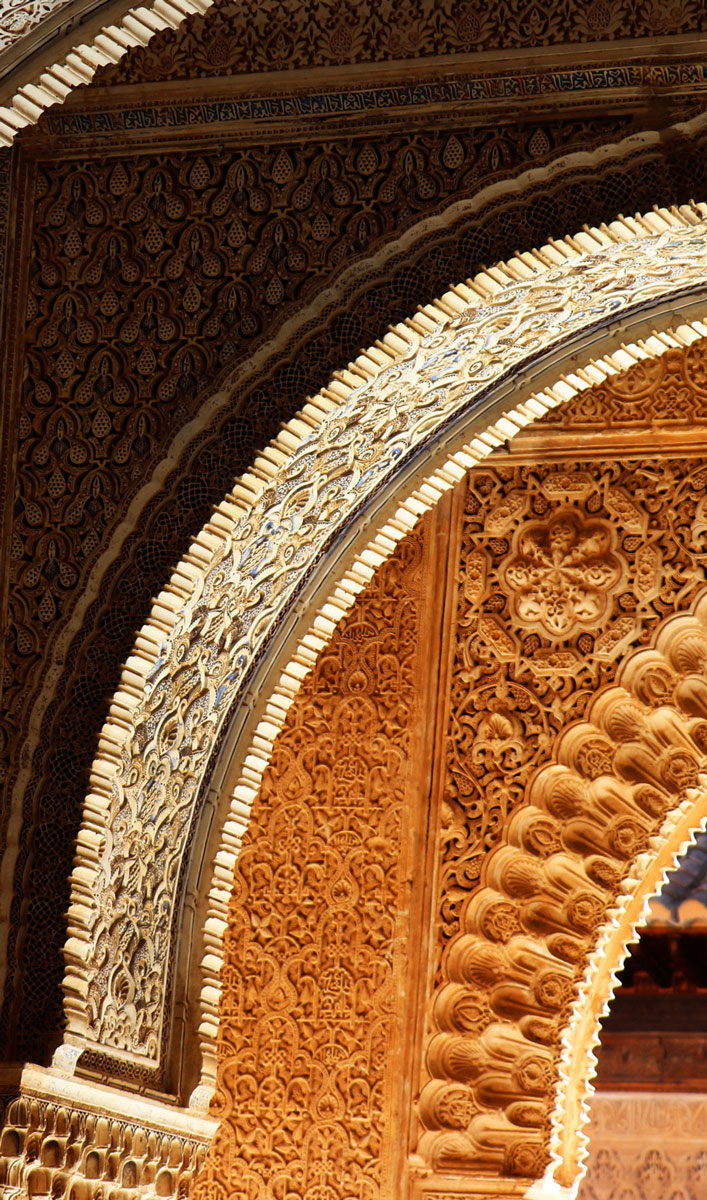
ExploreTheAlhambra_MoorishPalace
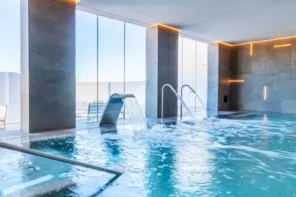
Pool On Your Granada Cycling Holiday
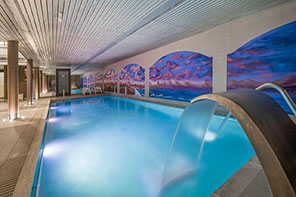
Hotel Andorra Cycling
The importance of the Hot Bath Spa in the Mediterranean
The love of the spa bath, did not just occur to the Moors. Prior this, the Greeks loved them, and we know the Roman’s built some lavish wash halls as well. Significantly, it wasn’t until recommended by the prophet Mohammed himself, around 600 A.D that the Islamic world welcomed the idea. Consequently they were integrated into spiritual life. Being well suited to Koranic laws concerning hygiene and ablations before prayer, they developed rapidly. Thus, they soon became fixtures in the mosque, towns and palaces of nobles in Islamic countries, including Al-Andalus.

CELEBRATE MOORISH HERITAGE OF THE ARABIC HOT BATH SPA
Indeed if you had strolled around the winding back alleys of Moorish towns, 700 years ago, you’d have found the ancient Baños Arabes, tiled domed rooms of rest and succour. Córdoba in its heyday of the 10th century had over 900 public bathhouses. In Arabic, it is literally translated as meaning the ‘spreader of warmth’, and it was originally thought that taking one enhanced fertility. Therefore believers would naturally multiply and spread the word. Religious proselytising aside, it is true that once in the hammam you will want to invite all your friends, it’s such a relaxing experience.

Interestingly, the ideal of cleansing in the hammam, became attributed with Muslim habit, but later used against all Arabss as a propaganda tool. During the 12th century Crusades, rumours claimed Arab general Amr Ibn Al-as had destroyed Alexandria’s famous Library by using its texts, to heat the hot baths. It was fake news. The library no longer existed by the time the Arabs conquered Egypt in 642 AD. However, the story was meant to inflame anti-Arab sentiment making people hot under the collar.

History of the Hot Baths
Historically the hammam was not solely for religious purification. In addition, they were also social hives of public activity. Completely segregated (as still are traditional ones throughout the Middle East, Turkey and Morocco) they provide a form of sanctuary. Surely if you had wandered the crowded dirty souks of medieval Granada you would have sought them out happily. A haven from the other sexes prying eyes. In fact, during the women’s bath hours, prospective daughter-in laws were compared, health care tips doled out, gossip shared and politics talked about. In the men’s they had additional access to barbers and masseurs.
The Great Health advantages of the Hammam Hot Bath
The benefits of hot washes are many and although women were originally denied the hammam, once the healthy effects of the bath were confirmed they were grudgingly allowed their own. Here are only a few in the catalogue of well-being it provides.
*Rejuvenating tired bodies after childbirth
*Muscle fatigue soothed
*Aiding asthma sufferers
*Helping with menopause symptoms such as water retention, mood swings
*Relieving the body of toxins and skin aliments
*Revitalizing the mental load & battling of stress
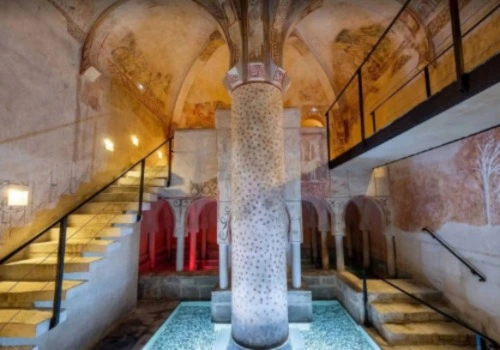
Hotel Duero Spain Rioja Wine Region Bike Trip
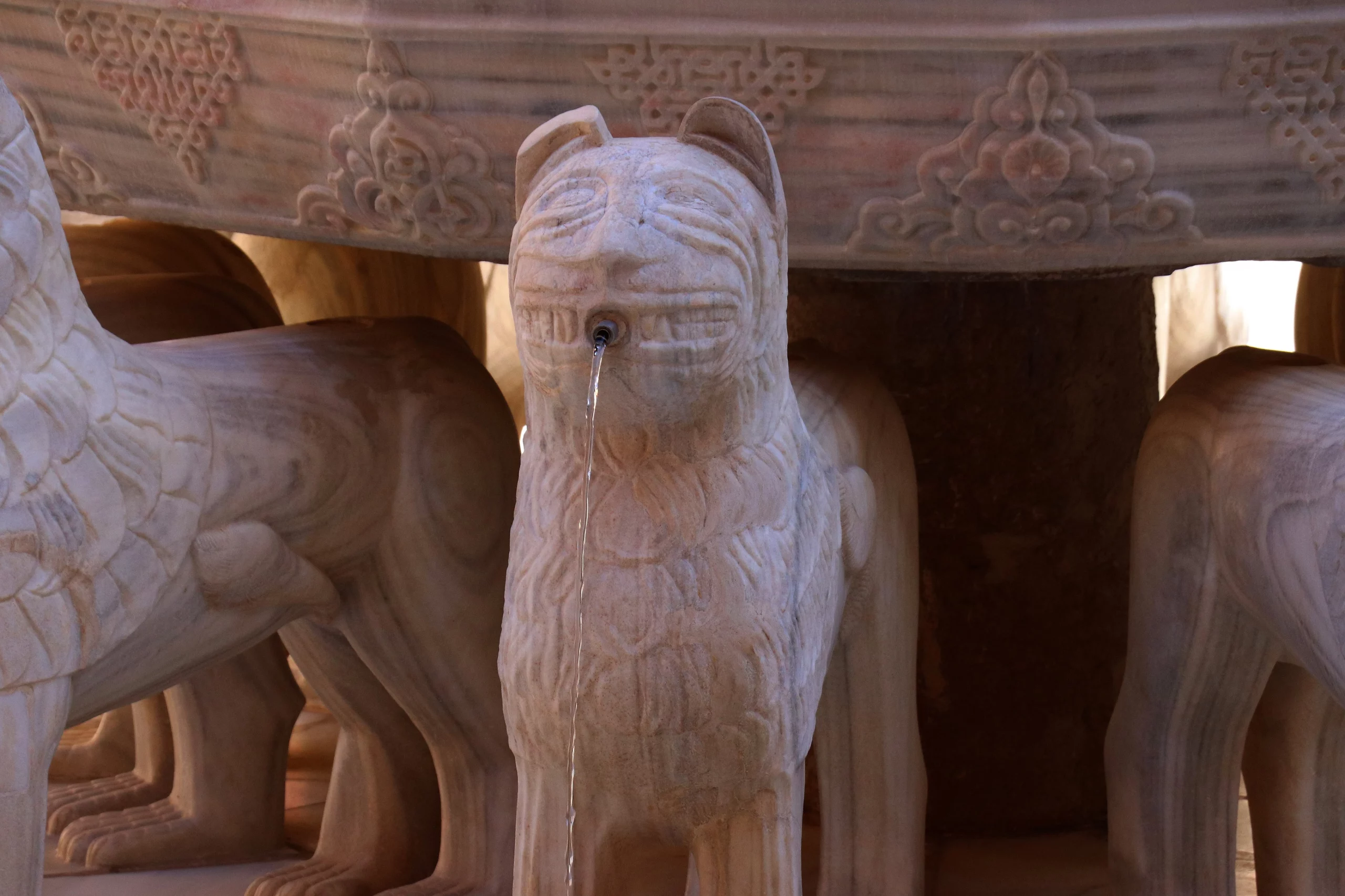
Alhambra Palace Lion Fountain
La Vuelta Hotel Spa
Modern Cycling Trip Hotel Andorra
On your Cycling Trip, try the Moorish Tradition of the Hot Bath
For those wanting to investigate this bathing art, it is a good time to start for the national government and Junta of Andalusia have finally gotten on board and accepted the Moorish heritage and teachings of its benefits by promoting Spa Bath tourism. In fact, looking at the map of Spain, you can have a good idea of where the thermal waters flow. The name, “Alhama”, is derived from the Arabic word “Al Hammam” meaning thermal baths or hot springs.
Consequently, our cycling base in the Andalucian town of Alhama de Granada gives suggestion to its former life. . A favourite Roman town originally, the thermal water source later developed by the Moors, into a beautiful hammam. Today it still stands, its Caliphate arches deeply filled high with warm waters.
There are several other “Alhamas” in Andalucia – Alhama de Almeria, de Murcia, de Aragon, etc.. all based on giving recognition to the former Hammam of Moorish time.
Visit Granada and the Alhambra to see original Arabic Baths
Granada city has several including the Alhambra’s and the romantic 11th century remains of the Baños Arabes next to the Rio Darro downtown. The crumbling stonewalls supporting the doomed roof romantically cut with stars, which would have allowed the steam to escape. See them also in Ronda, which has a beautifully preserved 12th century Baño Arabe.
“By understanding the Baños Arabe, a different culture, is one way of gaining their point of view.”

How does the Andalucian Modern Hot Baths work?
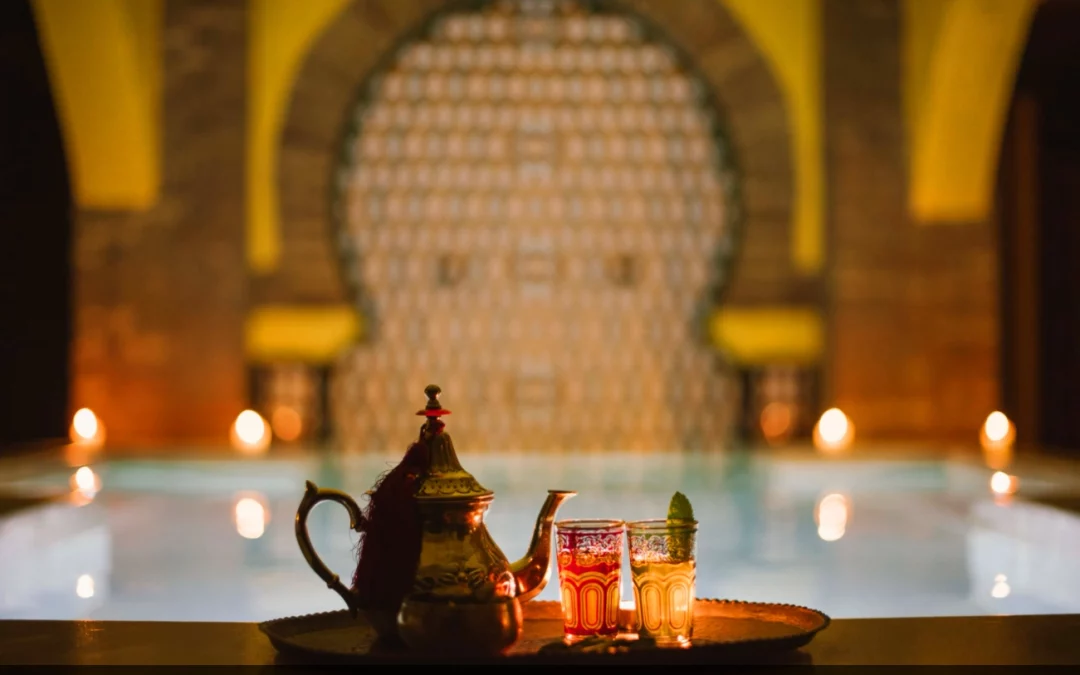
Normally, after changing clothes, the baths have several pools, each varying in degrees of heat. Here the baths offer a chance to recuperate the equilibrium lost in today’s modern busy lifestyles. Soft lighting and ambient Andalusian-Arabic fusion music playing will drag the stress from you as you move from pool to pool. Like the traditional Baños, they also offer massage. The masseurs, all who have the most luminous skin, wait in between clients, drinking hot mint tea out of Aladdin type silver teapots. Very chill
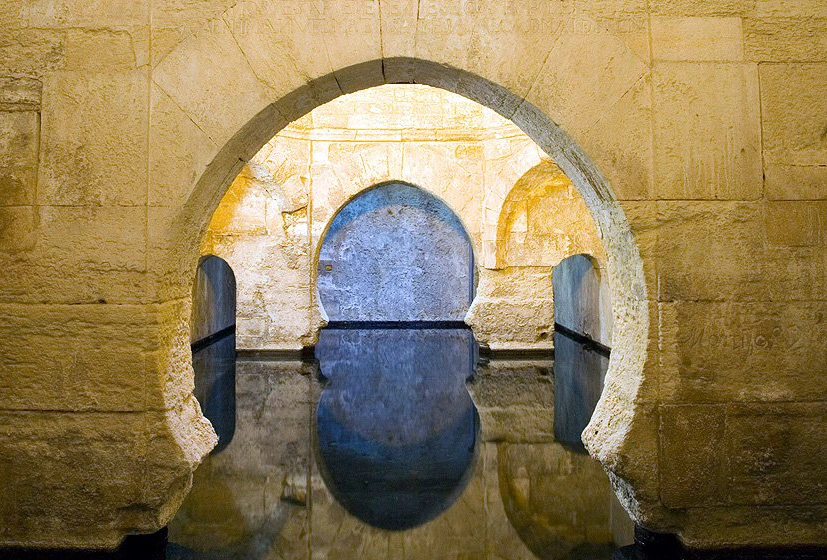
What to Expect in a Modern Hammam Spa Experience
Inherited from the Roman thermae, which had a cooler reception room, at about 20 degrees (70 Fahrenheit), you go onto the warmer room of 30 degrees (90 Fahrenheit), onto a very hot room of over 40+degrees (100+ Fahrenheit) and then back to the cooler room. Taking that delightful mint tea in a dainty glass at the end, to replenish and refresh, is pure Islamic graciousness.
Here the baths offer a chance to recuperate the equilibrium lost in today’s modern busy lifestyles. Soft lighting and ambient Andalusian-Arabic fusion music playing will drag the stress from you. Like the traditional Baños, they also offer massage, and the masseurs dressed in crisp white lab coats, all have the most luminous skin.
A Lost Spa Tradition Rediscovered
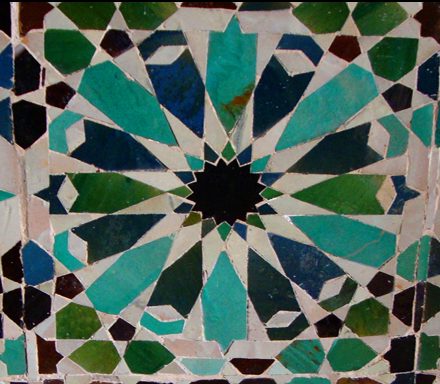
Recreating the traditional bath experience is what today’s hammams try to do. Furthering this by interiors with Moorish inspired geometric tiles, vaulted arches and Adobe bricks. Time travel at its best really. As Carman, one Manager in a modern Arabic bath spa in Córdoba remarked, “it is important to gather the knowledge of this tradition and guard it or else it will be lost.” As well, the Baños Arabes are a cultural experience for both Granadiños and tourists. By knowing, enjoying and understanding, “a part of a different culture is one way of gaining their point of view.”
Andalucia’s Hammam Spa Culture embraced
The communal part of it all is emphasized with the tea drinking. For sure an integral part of all Baños where social forums with liquid refreshment were usual.
“It’s possible for the Spanish to keep the …tranquilidad?” I ask dubiously.
She laughs, “Yes sometimes it is difficult…very difficult.”
However, as I peer around the womblike cosiness, they seem to be doing well today, as everyone relaxing in the pools is lost in quiet reflection.
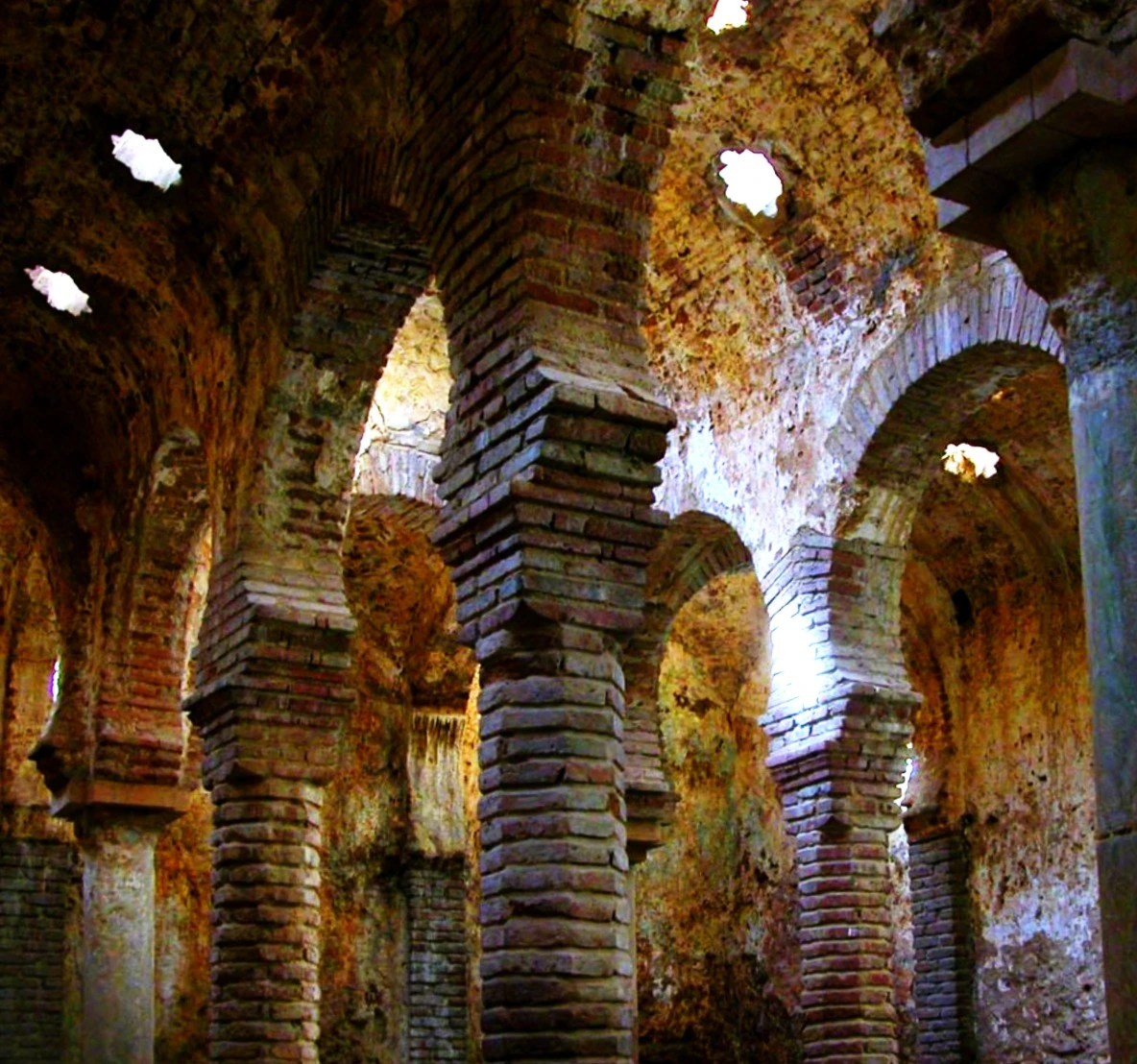
Explore Spanish Banos Arabes Historical Monument Ronda
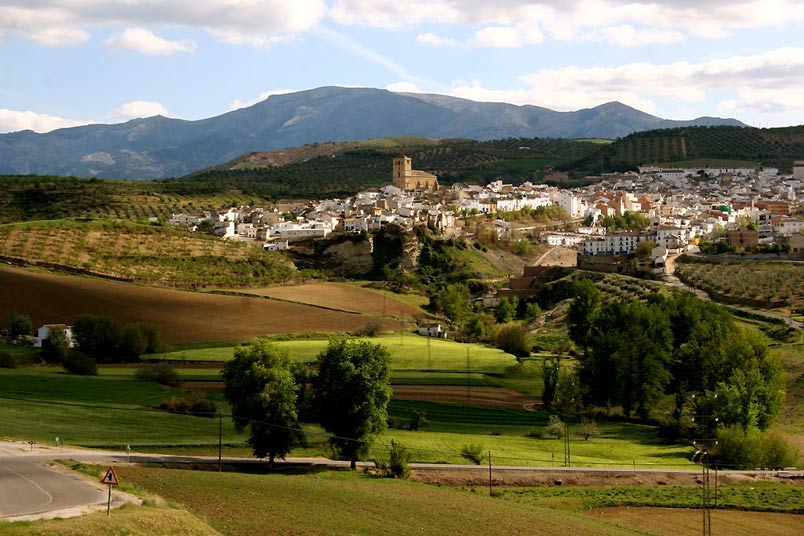
Beautiful Towns Of Andalucia Alhama De Granada
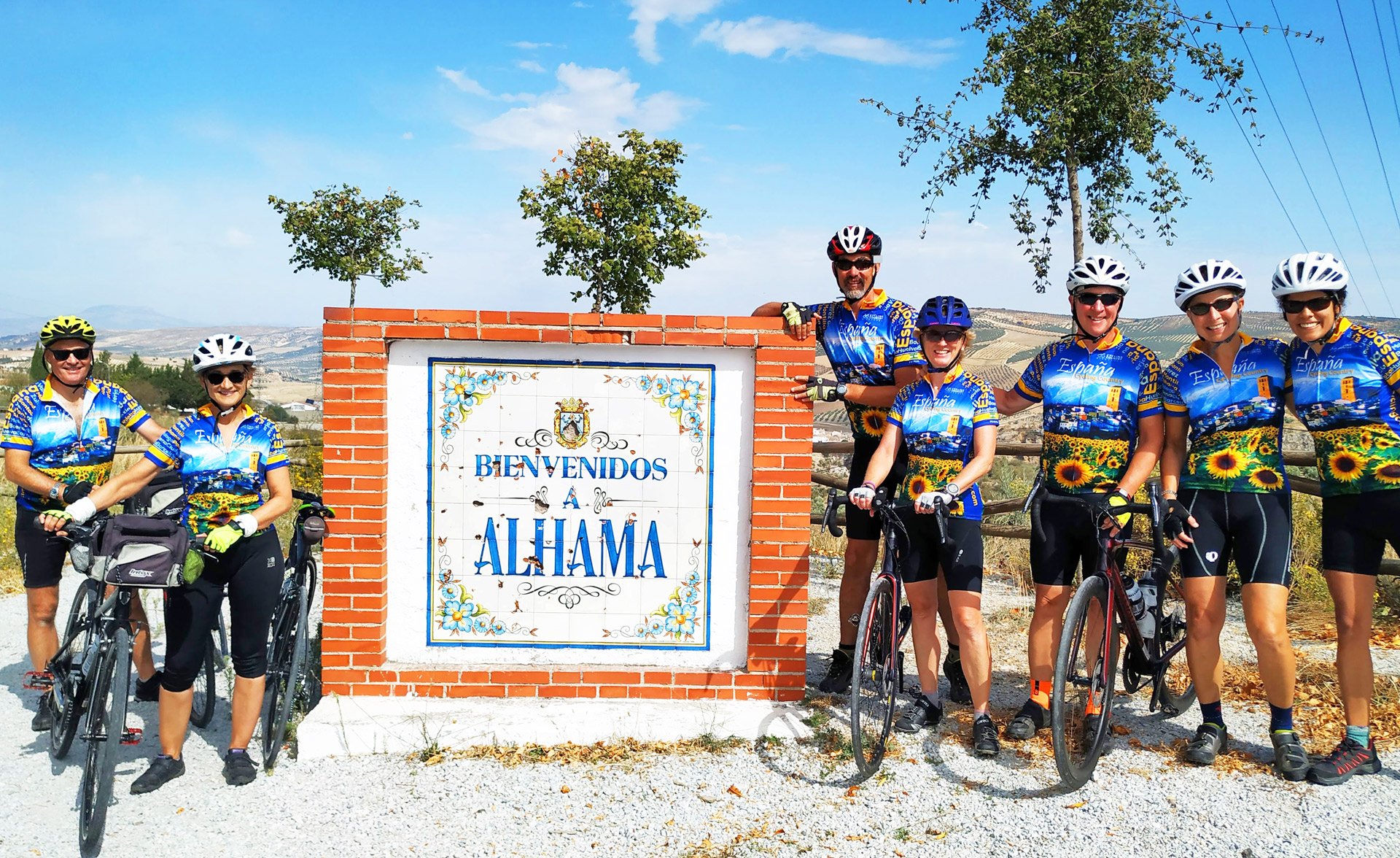
Cycling Tours In Europe_Alhama de Granada Bike Tours
Balneario AlhamaDeGranada
Tips to Enjoy a Hammam Bath Spa in Spain
• Visit during weekdays to avoid crowds
• Limit time in hot pools (10 minutes max recommended)
• Stay hydrated
• Bring swimwear (some hammams provide towels)*Most Hot Baths are co-ed now.
• Embrace the quiet atmosphere—this is a place to disconnect
________________________________________
Links: The Hammam Hot Bath Spas in Andalucia
Visit modern Arabic styled baths on our Spanish self-guided and Guided tours which visit Sevilla, Córdoba, Ronda, Granada and Málaga.
Hammam Al Ándalus : In the heart of town and central to all sights (including the original Baños Arabic close by), it is a good spot to stop and stay awhile. Part of the same chain you can find one in Córdoba as well as in Malaga : Hammam Al Ándalus Málaga within the historical centre.
In Granada, there is also Elvira Traditional Baths :Again in the midst of the city, moments away from the Cathedral.
Granada’s original 11th century baths, El Bañuelo is a beautiful place to see.
On our self guided tour, White Villages, visit the original 13th century baths in Ronda: Baños Árabes Yacimiento Arqueológico. Close to the famous Puente Nuevo and city walls. Costing only €4.5 it’s an interesting place full of history.