
Best places to see Flamenco on your trip to Spain and Andalucia.
Flamenco: A Journey of Spain’s fiery history
Whether you are cycling through traffic, hanging out the washing or wandering through the café packed alleyways in Andalucia, the expressive and mournful sounds of flamenco can be heard hanging in the air. Indeed, this art form, so loved by the southern Spanish, is a raw haunting expression of love, passion and fire. Certainly, it is almost part of the landscape down here. Thus, you must experience it.
Here are some of the best places to see Flamenco on your bike trip in Spain.
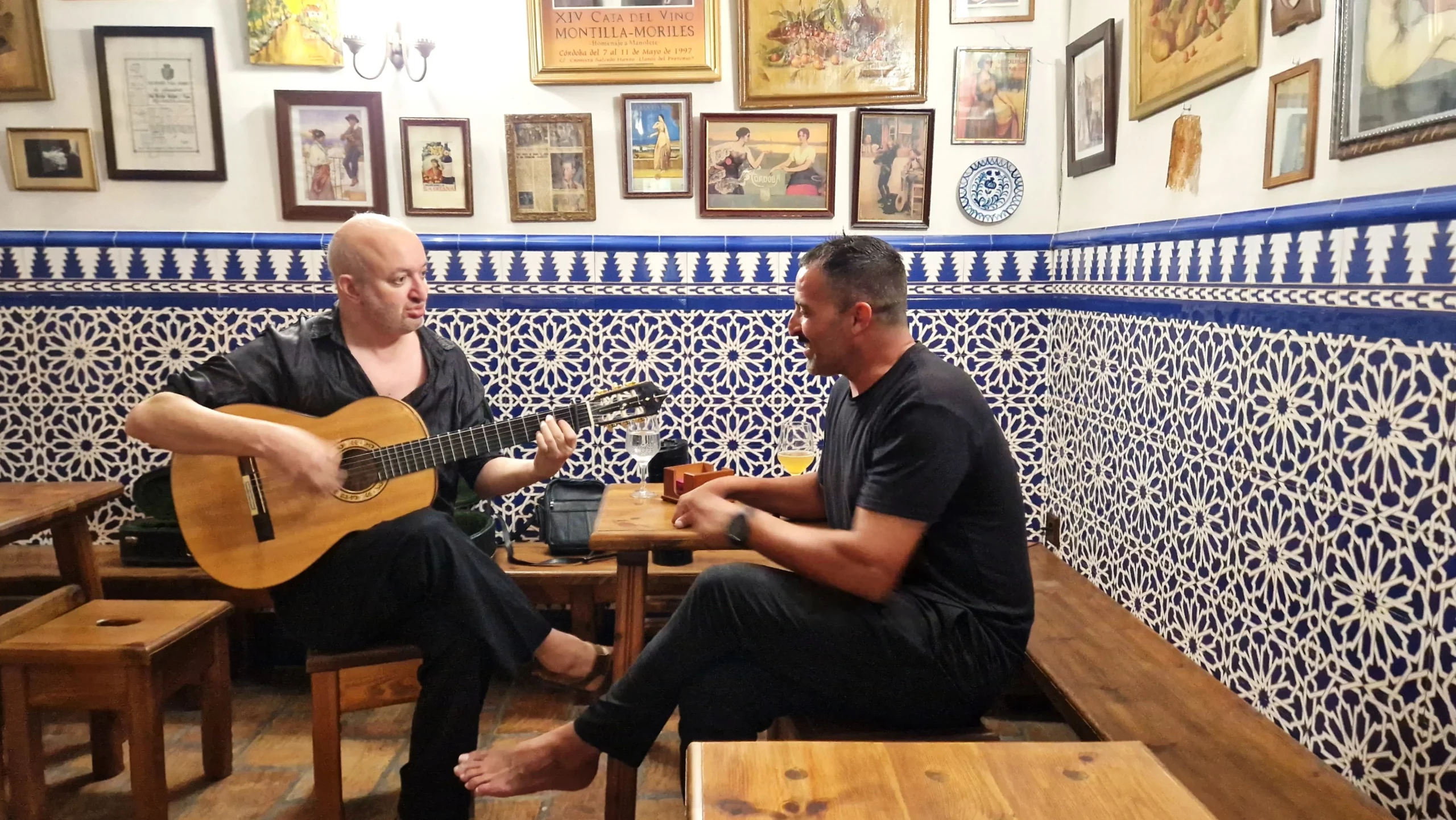
What is Flamenco?
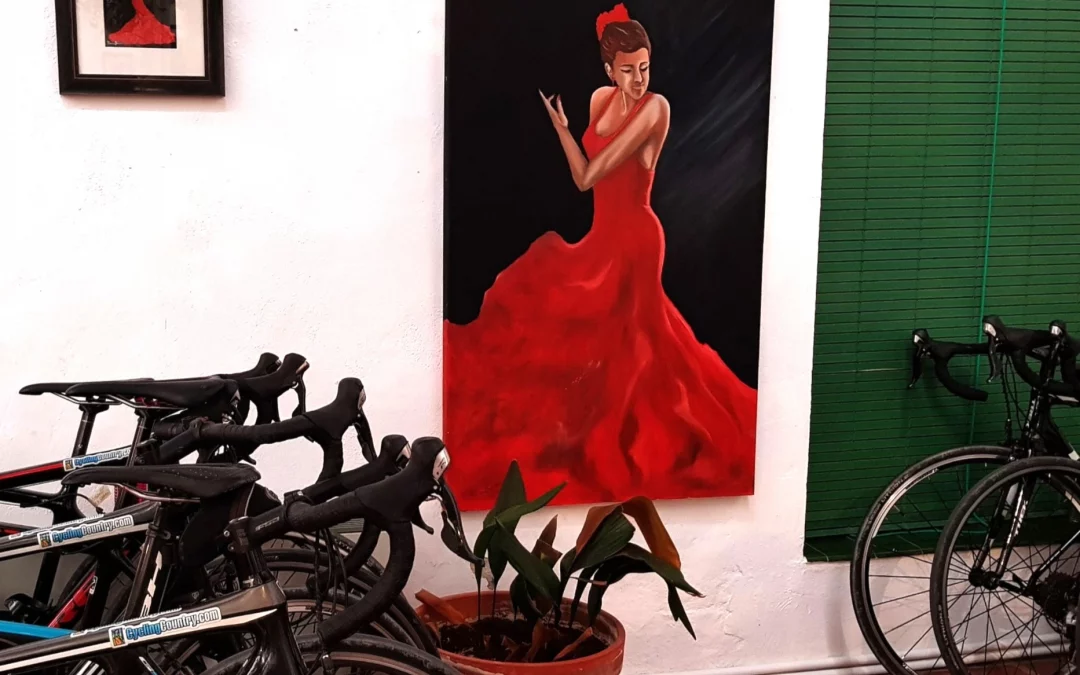
Flamenco is much more than just some touristy stage guitar work and a stamping dancer in crimson party dress. Since it’s eloquent expression encompasses both instrumental music, song and dance, it is actually a very practiced art form that has strict rules and recognized high standard practices. However, all Southern Spaniards are exposed to it at a very young age. Thus, if you are visiting, it seems that everyone you meet, knows the songs and strums a guitar in an entertaining performance, just on the fly. Generally, thoughts of an impromptu performance of song and dance would horrify most of us. Spaniards, they revel in it.
Is it in their DNA?? Indeed!
FLAMENCO’S HIDDEN HISTORY AND ORIGINS
Shrouded in mystery, flamenco’s origins are a little vague. However, undeniably it has been embraced by a people, surviving in a land, blood-soaked by wars, Inquisitions and banishments. Using the light and dark of life as inspiration in their song and dance.
Undeniably, hearing the Islamic muezzin’s mournful cry in nearby Moroccan mosques, gives you a hint of some of Flamenco’s ancestry. However, it is the Romani (Roma) people, (often called derogatorily as Gypsies/Gitanos), who made their way here from India and Iran during the 15th and 16th century who are at Flamenco’s heart. Bringing their folk songs, they are most notably at the solid foundation of flamenco’s origins.
SPANISH HARDSHIPS BRING FLAMENCO’S PASSION
Additionally to the Roma peoples’ own art traditions and instruments, it also includes the Muslim, Christian and Jewish influences. Historically, Andalucia had 700 years of these various cultures melding together daily. Consequently as these local traditions were absorbed by the Romani with their own music, this unique art form began to be played in homes in the South.
Undeniably, Southern Spain has been mainly rural since Roman times supporting migrant and field labourers through centuries. Thus, it isn’t hard to imagine that an evening past time of strumming and singing is a welcomed diversion after a long hard day labouring in Southern Spain’s sun baked fields. This alone helped grow this beautiful expression’s popularity.
THE EVOLUTION OF FLAMENCO
Certainly, this type of folk music in the Romani community, soon became influenced by other types of music such as Jazz or classical. Hence, the 19th century became what was known as the Golden Age, with many embracing this form and giving impromptu public performances in cafes, bars and later, theaters.
Flamenco during Spain’s Dictatorship
Within the 60 years of Fascist Dictatorship following Spain’s Civil war, Franco the dictator, interestingly, promoted Flamenco abroad. Considering an opportunity to promote a very Spanish art form. Whilst, concurrently, implementing wide scale oppression of the Roma communities, who were directly responsible for this art form. Called “nacional flamenquismo” it’s recognition grew internationally whilst its artists suffered at home.

WHAT ARE THE ESSENTIAL ELEMENTS OF FLAMENCO?
Generally, Flamenco is composed of three primary elements: cante (singing), baile (dance), and toque (guitar playing). It is the intensity which is the recognizable difference, that perhaps is only matched by Portugal’s fado singing. Specifically rising in a great crescendo of raw excitement during the cante. You may be mistaken as a novice, to think that the singer is in agony, with the “duende”, (the deep painful emotion emoted). However, it is exactly that, the pain of life, unrequited love, loss and longing, all feature deeply in these songs. Guaranteed to send shivers up your spine, so raw is this emotion.
FLAMENCO – NOT JUST SINGING BUT DANCE
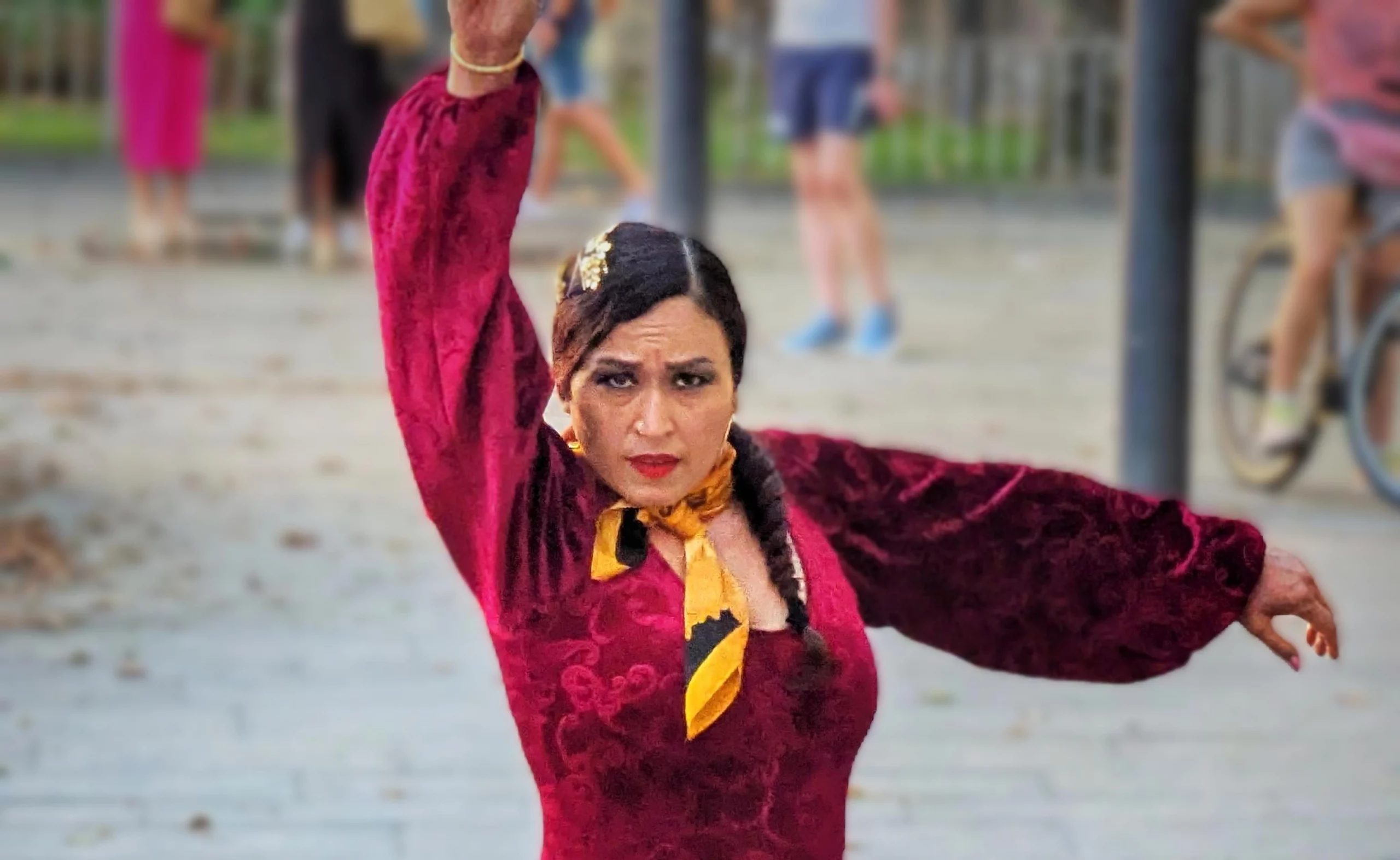
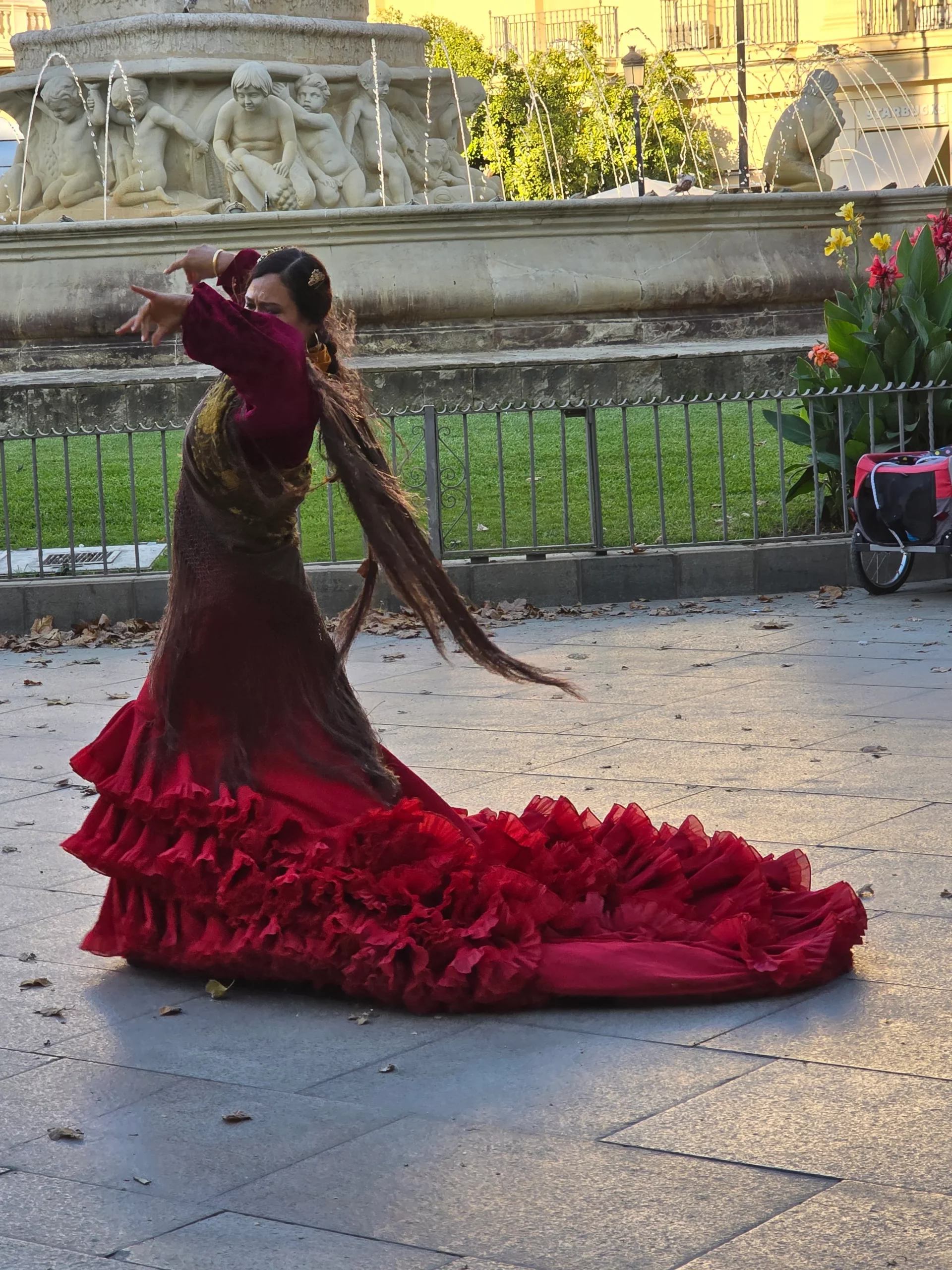
Men can’t have all the fun of expression in Flamenco and women, soon joined in. Baile, the Flamenco dance is impressive, with its stamping feet and powerful gestures. It is skilled with its graceful sweeping arms complementing the guitar. Consequently each movement shows a range of emotion of joy to pain. Of course, the toque, emphasizes this spirit with its intense strumming and complex chord progressions. Interestingly, Flamenco is so prevalent, every Andalucian child learns the most simplified hand actions.
FLAMENCO – LEARN IT YOURSELF
Certainly very early on they are taught the mantra, “coge la manzana” (pick the apple), “come la manzana” (eat the apple), “tira la manzana” (throw away the apple). The basic hand flourish recognized in Flamenco. Try it!
“Cante jondo is the oldest song in all of Europe. It is the skeleton, the fundamental alphabet.” Federico García Lorca
FLAMENCO IN SPAIN TODAY
A very adaptable music genre, it also has incorporated Modern day music styles, with the development of the Cante jondo (deep song), and even flamenco fusion mixing. Consequently, making flamenco a most thrilling music to follow and listen to. Great artists like the late Camarón de la Isla and Paco de Lucia, have pushed these boundaries lyrically. In addition to taking it to new directions, earning recognition outside the fronters of Spain.
In fact, it has kept this art form relevant and exciting to new and young listeners, gaining new enthusiasts to the music. Continuing to be appreciated and sung in bars, get togethers and parties throughout Andalucia and Spain. Therefore, you will hear it everywhere in Andalucia on your travels. However, where are the best places to see it in Spain?
Everywhere preformed, it will be passionate, emotional and deeply speaking. In truth, it is something that just doesn’t get old for anyone.
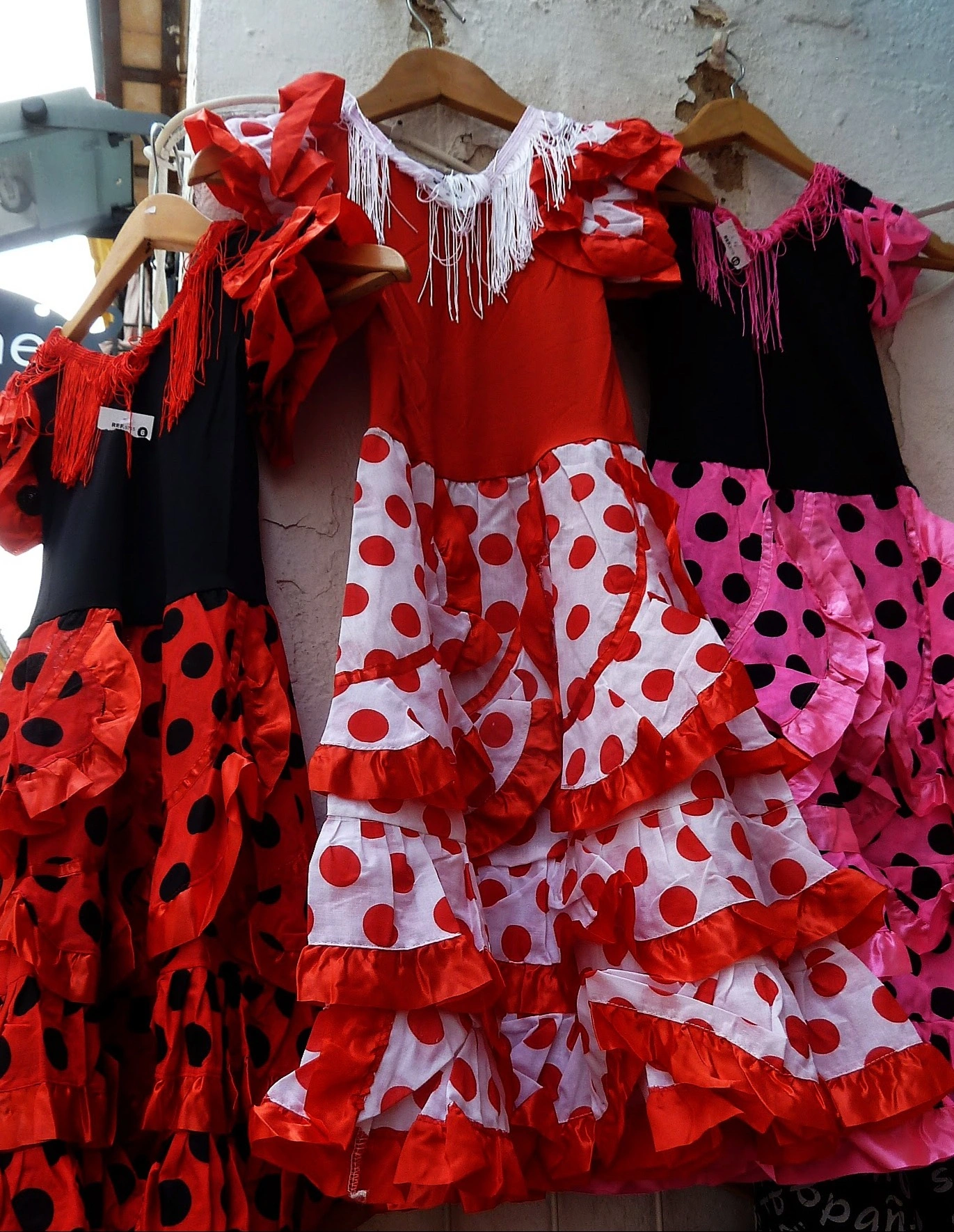
Spains Best Flamenco Places2
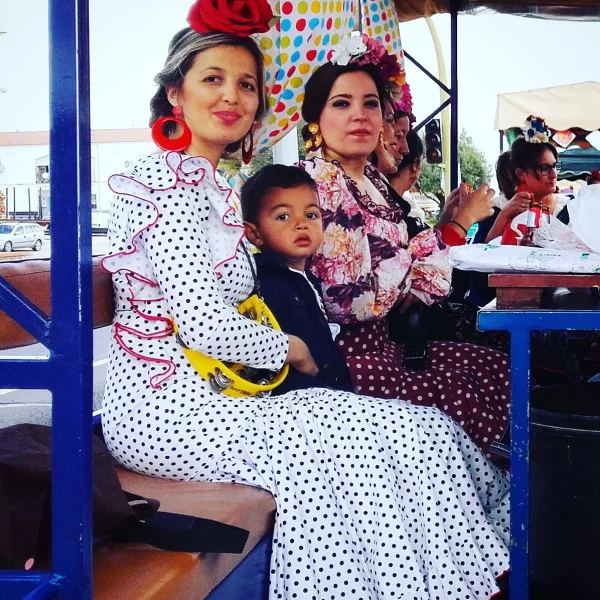
Andalucia And Flamenco Heritage
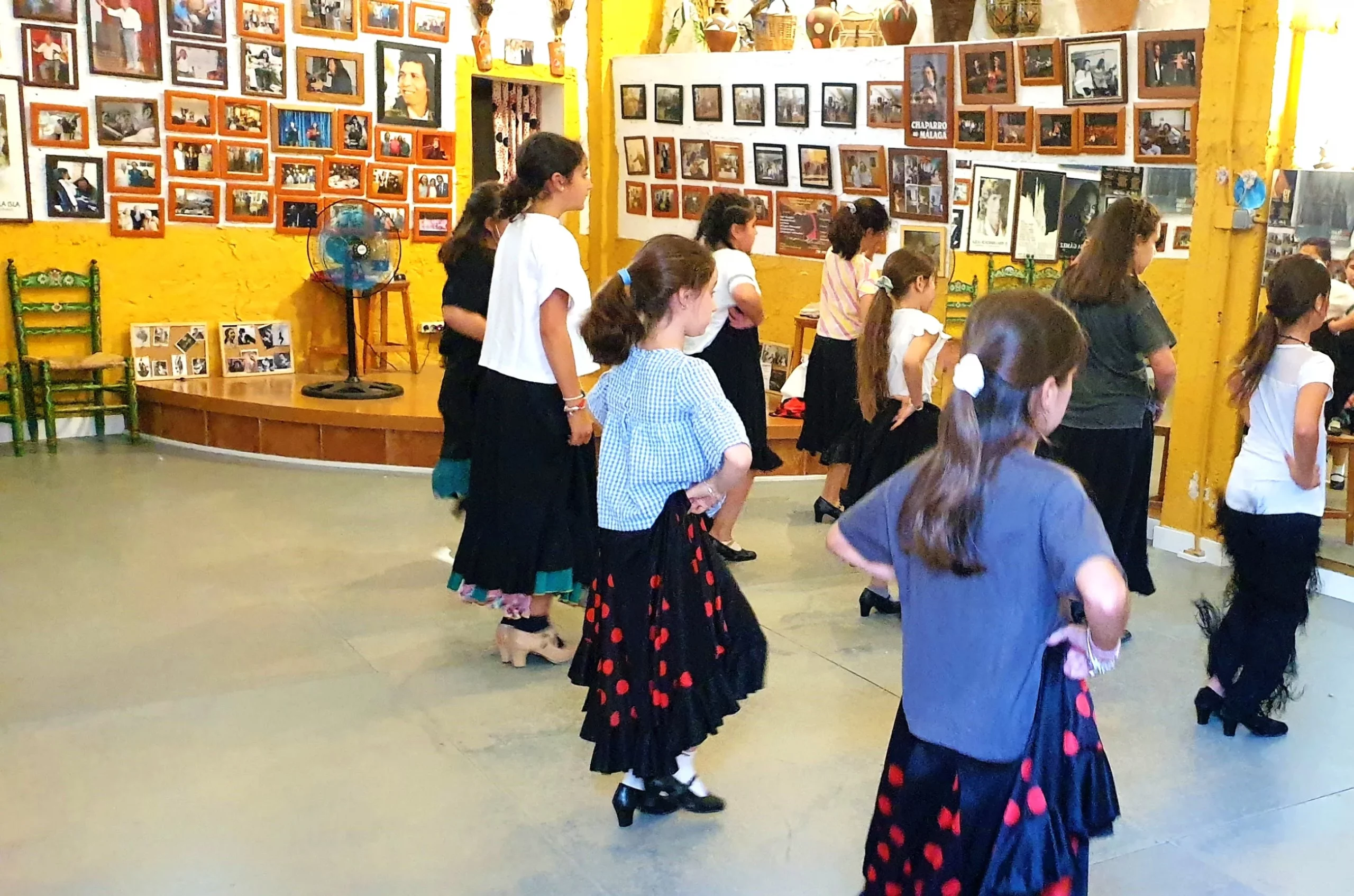
Andalucian Children Learning Flamenco Spain Bike Tour
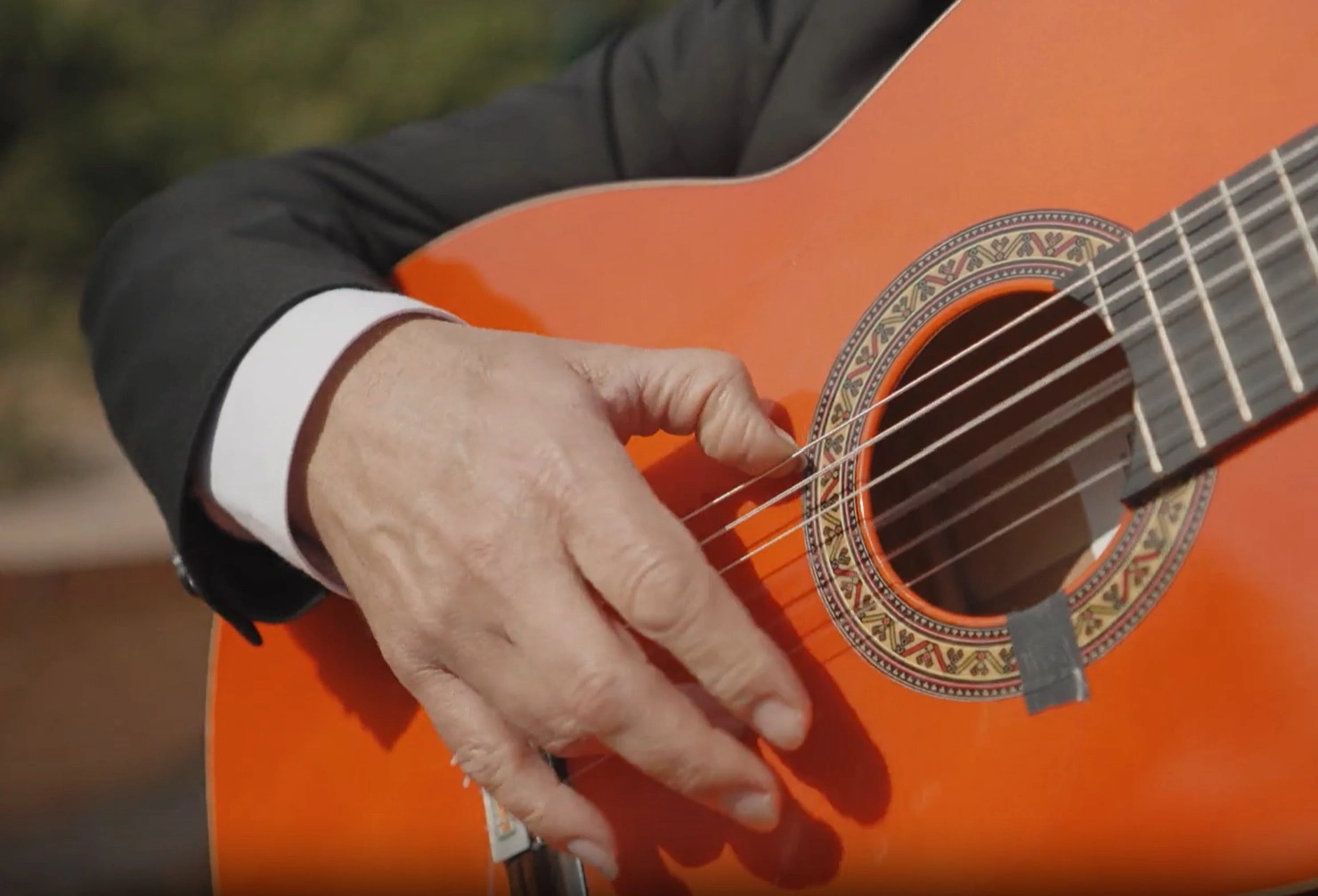
Where To See Flamenco In South Spain
BEST PLACES TO EXPERIENCE FLAMENCO IN ANDALUCIA
Flamenco is something that you need to experience, whether it is in an intimate setting of a tablao (flamenco bar) or at a grand festival. It will speak to you and will move you, it is the profound expression of the human soul and that is something all of us can recognize. Here are some of the best places to experience Flamenco in Spain. Start in Flamenco’s birth place, the South.
Best places to See Flamenco
SEVILLE
Casa de la Memoria Centro Cultural Flamenco : Based in the Santa Cruz Juderia area in a 16th century courtyard.
Museo del Baile Flamenco: Offering Flamenco inntheatrical/museum-style formats
Teatro Flamenco Las Setas : A vibrant ensemble in a central location.
La Carbonería (Sevilla) : Set in an old tavern warehouse – gets busy!
FLAMENCO'S TOP SPOTS
GRANADA
Casa Ana : This one is a Granada tablao running daily shows with dance, guitar, and singing in a theatrical presentation. Show-only tickets start at ~ €25.
Tablao Jardines de Zoraya : Close to the centre, in the Albyazin is this theatre spot (dinner is optional), a cozy spot to enjoy this art form.
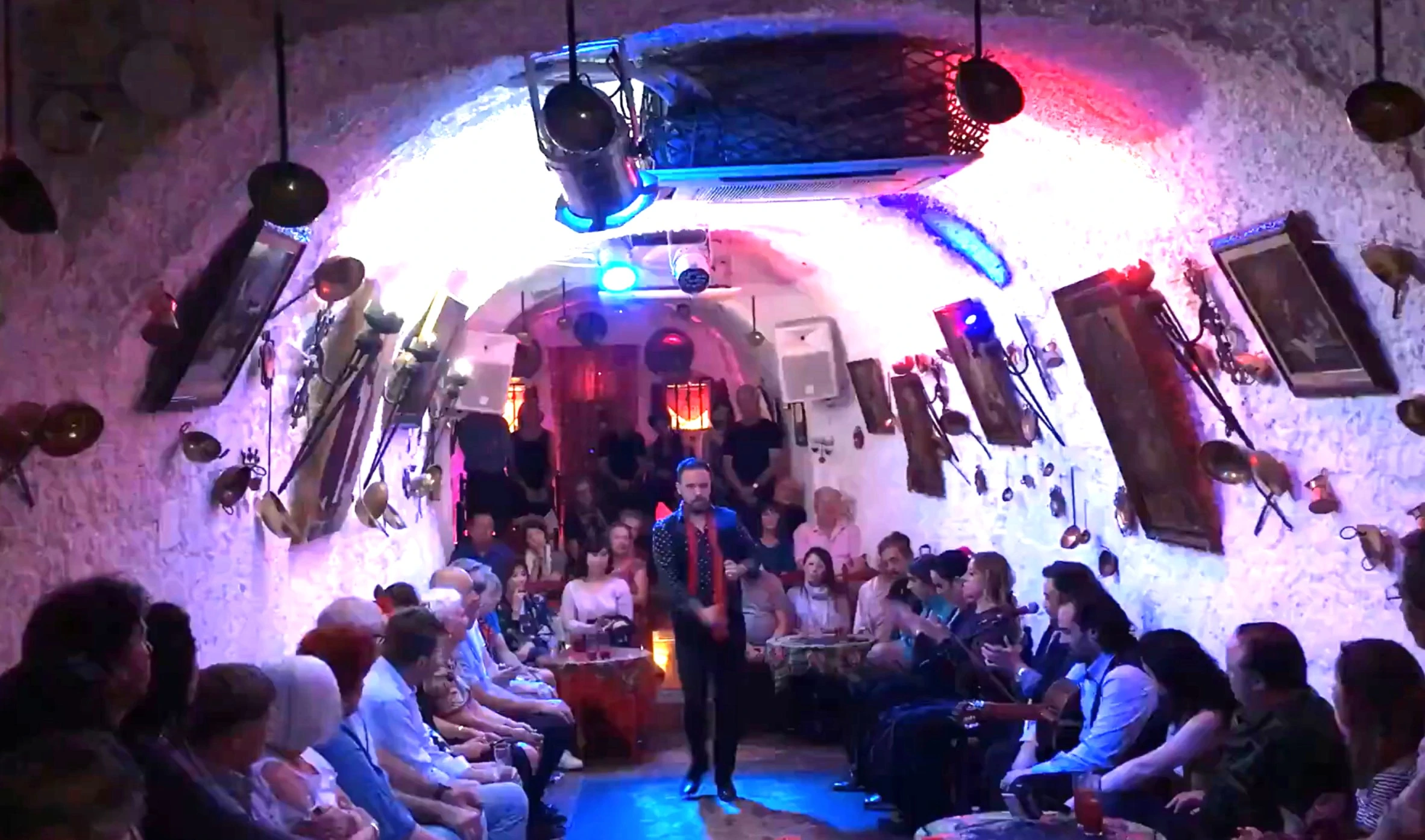
Cueva flamenca Los Amayas : Set in the traditional Sacremonte cave district of Granada is this very intimate flamenco show.
DANCING IN THE STREETS
ANDALUCIA
Tablao Flamenco El Cardenal (Córdoba) : A traditional Córdoba tablao – authenticity with elegance.
Tabanco El Pasaje (Jerez de la Frontera) : A “tabanco” combining live flamenco and tapas or sherry. Relaxing & Tasty
Alegría Flamenco & Gastronomy (Málaga): Offers shows with dining or tapas. Near the Muelle Uno in Malagueta.
Enjoy!
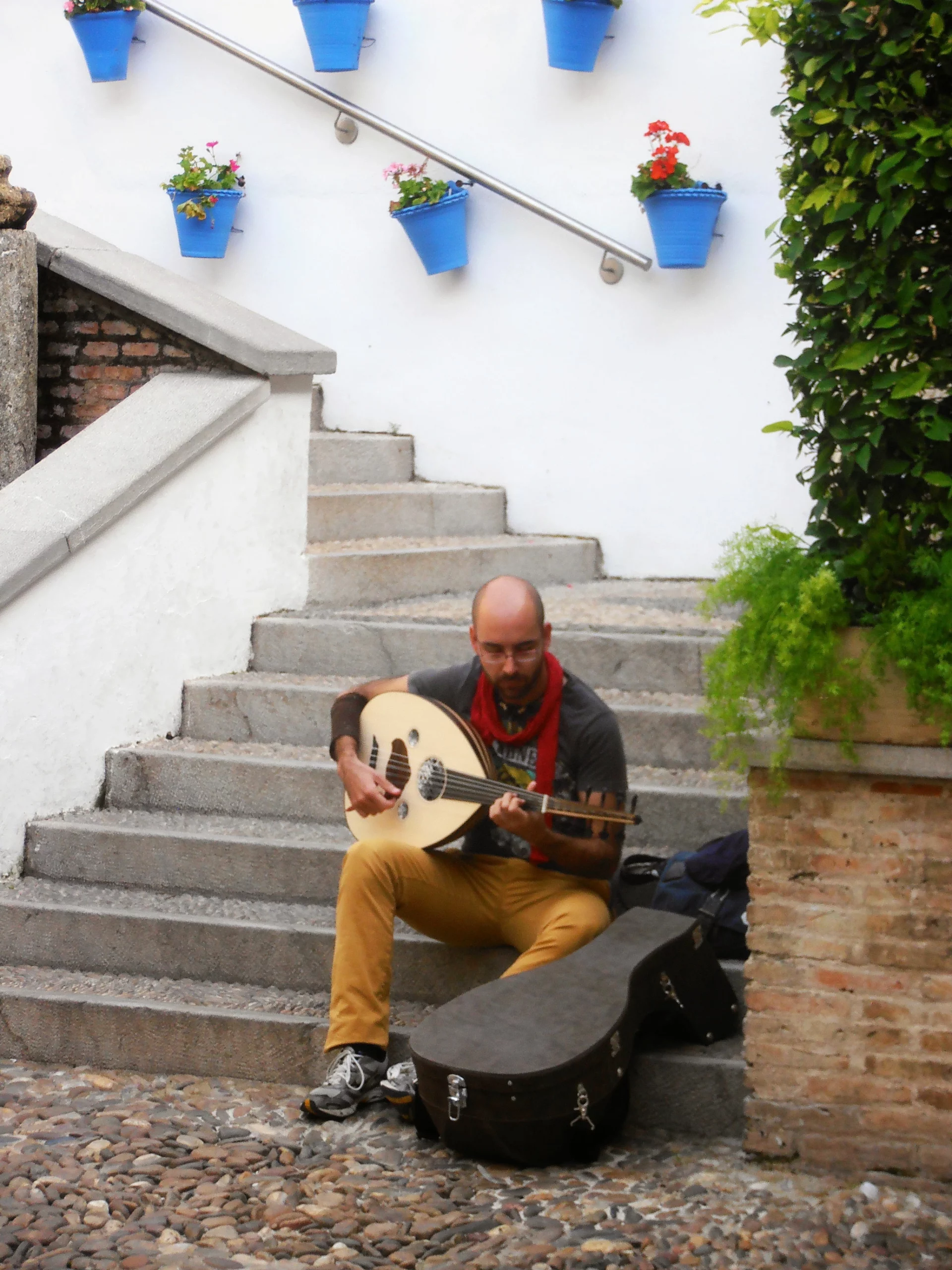
“Purity can never be lost, when one has it inside in truth.” Camarón de la Isla
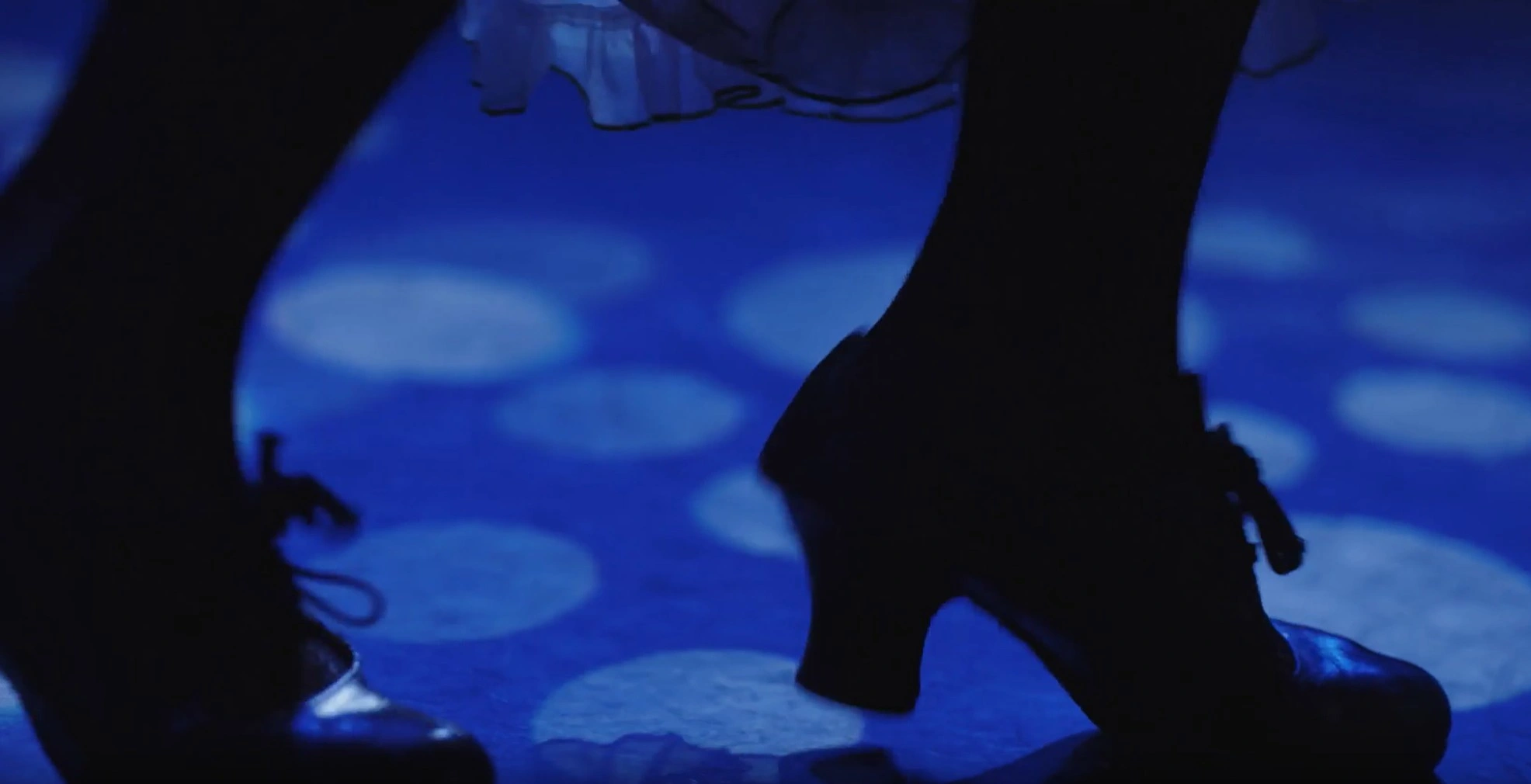
Links
- Come and witness a flamenco performance on our Enchanted Andalucian bike trip starting from Sevilla (the heart of Flamenco) and ending in Granada. Seek this beautiful art form in the sheltered grottos of the Sacremonte cave area.
- Cycle to Jerez, home to several places to learn about Flamenco on our White Villages Bike Tour.
- Enjoy our Moorish Andalucia Self-Guided Bike Trip – Sevilla or Córdoba start